
Microsoft warns of Agentic Trust Gap in autonomous AI content sprints
Agentic content production is becoming real, but speed alone is not the product. Teams need human review, source awareness, and safe retry paths before autonomous systems can be trusted with brand work. This highlights the need for AI agent-first websites that cater to machine-readable structures.
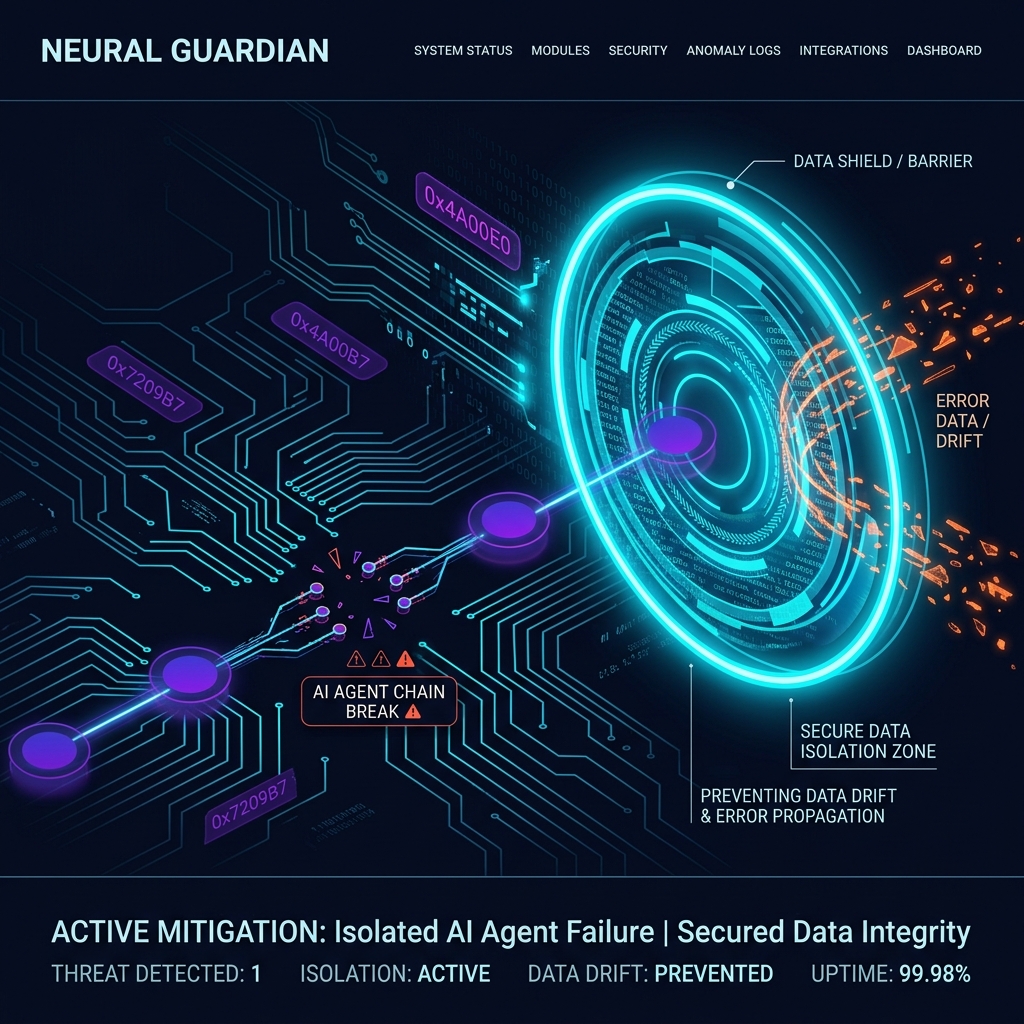
The Pitfalls of Autonomous Hallucination
Teams want agents to produce more, but they still need confidence that output is accurate, on-brand, and reviewable.
Multi-step AI workflows can fail silently when source material is weak or providers return partial results.
Without a reportable quality trail, teams cannot tell whether a bad result came from context, prompt, provider, or review gaps.
Operational Pillars of Agent-Operator Coexistence
Context before autonomy
- An agent should not invent brand memory on the fly. It should work from stored project context, approved examples, and current source evidence.
- This makes the workflow easier to inspect when something goes wrong.
Review gates keep speed useful
- Copy, graphics, and video need lightweight checks before approval or publishing.
- The goal is not to slow operators down, but to stop obvious failures before they reach customers.
Recovery needs plain language
- Provider, quota, prompt-length, and reference-fit failures should be explained in a way a non-technical user can act on.
- A useful system tells the user what to retry, what to switch, and what to fix first.
Trust Engineering Checklist
- ●Keep human approval in every external publishing path.
- ●Use project evidence before generating high-volume content.
- ●Collect tester reports for failures instead of relying on screenshots only.
- ●Treat agentic workflows as production systems, not magic buttons.
Related pages
Ready to scale your content operations & dominate AI search?
I design custom brand memory systems, automated Make/n8n pipelines, and optimize SaaS/tech brands for AI search engine answers (GEO/AEO). Hire me as your AI marketing freelancer & Fractional CMO.